Contemporary residential architecture focuses heavily on clean lines, expansive glass features, and a seamless connection between indoor and outdoor spaces. While these design choices create visually stunning properties, they also present unique challenges for building safety, security, and climate resilience. The entry door is no longer just a simple point of access; it has become a sophisticated component of the home’s engineered protective envelope. Driven by severe weather patterns and shifting building codes, the demand for reinforced, high-performance entry systems is reshaping how modern homes are designed and built.
Architects and luxury home builders are adapting to these strict structural demands by changing their material specifications. In coastal regions subject to intense seasonal storms, installing standard wood or fiberglass entry points is no longer a viable option for premium construction projects. Property owners who want to protect their investments while maintaining high design standards are increasingly prioritizing premium impact doors Largo FL, to achieve the necessary balance of beautiful styling and maximum windborne debris resistance.
The Architectural Push for Grand Openings
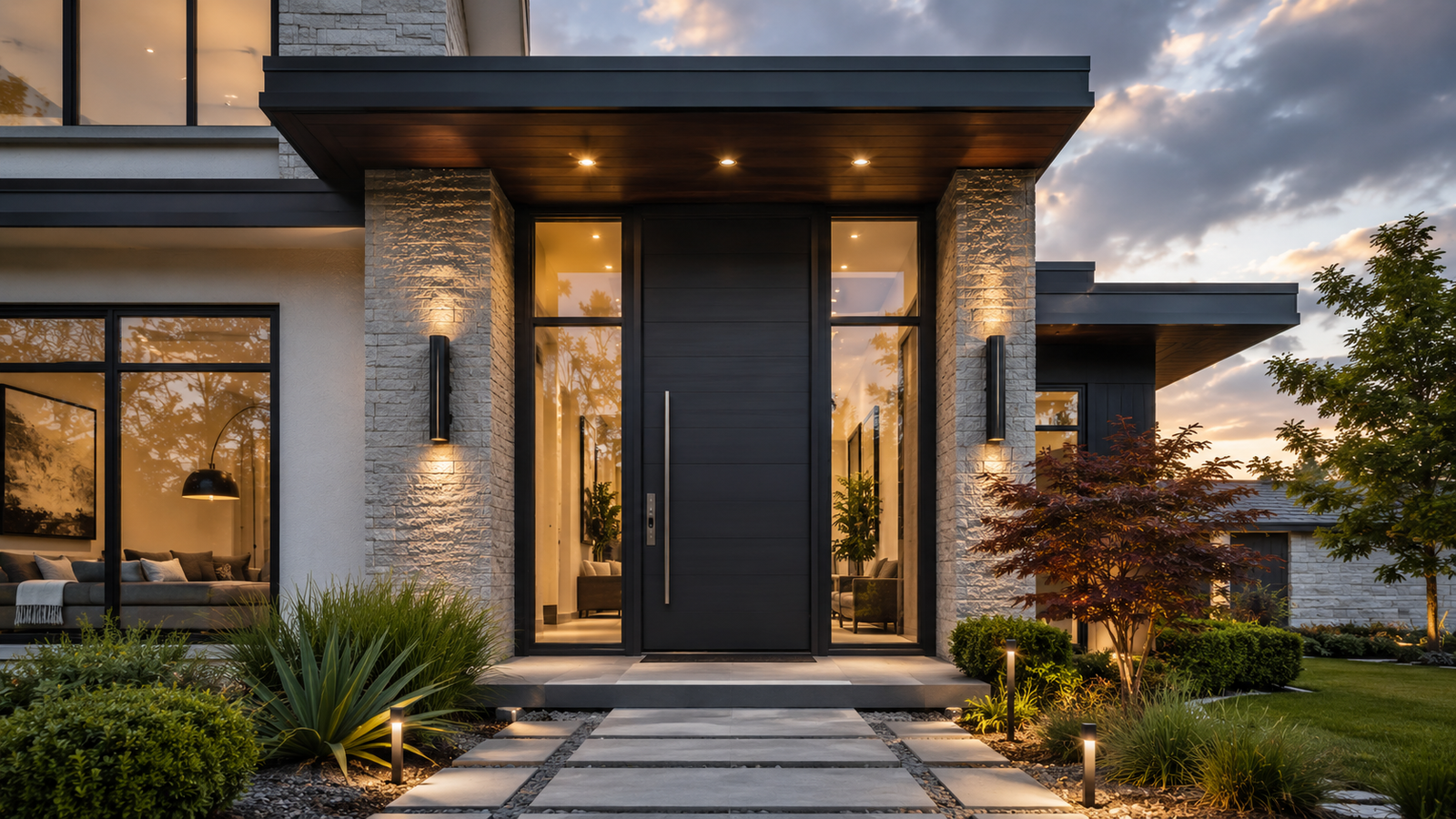
Modern residential design favors grand, dramatic entryways. Oversized pivot entries, tall double-door systems, and floor-to-ceiling glass sidelights are popular features in upscale developments. These larger entries create an impressive sense of scale, but their expansive surface area means they are exposed to massive atmospheric forces during severe weather events.
When an entry system is scaled up, standard construction methods are inadequate. Larger surface areas experience greater wind load pressures, which can cause flexible materials to warp or bow under stress. To prevent structural failure, these grand entry designs require heavy-duty internal aluminum or steel reinforcement, specialized multi-point locking mechanisms, and advanced commercial-grade hinges that can support hundreds of pounds without sagging over time.
Shifting Climate Patterns and Enhanced Building Codes
The frequency of severe weather events has led to major changes in local building regulations. Municipalities across coastal regions have updated their residential building codes to require higher Design Pressure ratings. These ratings measure a building component’s ability to withstand both positive and negative wind pressures without structurally failing or leaking water into the interior.
To satisfy these strict building codes, contractors must install products that have undergone rigorous laboratory testing. For example, high-quality impact doors Largo FL, are subjected to missile-impact tests, where heavy wooden timbers are fired at the surface to simulate flying storm debris. This level of verification ensures that even if the outer layer of glass cracks, the inner protective interlayer remains fully intact, preventing catastrophic wind pressurization inside the home.
Integrated Smart Home Systems and Security Needs
Modern homeowners want their entryways to be both physically secure and fully integrated into their home automation networks. The rise of smart locks, biometric scanners, and video entry systems has changed the internal structure of quality doors. Entry systems must now include built-in wiring channels or specialized wireless sensors without compromising their core strength.
Forced entry resistance is another major factor driving the demand for heavier, reinforced materials. A strong frame paired with laminated glass provides an exceptional barrier against intruders. Unlike standard glass that shatters completely upon impact, heavy-duty laminated glass bonds to a tough polymer interlayer, making unauthorized entry extremely difficult and time-consuming.
Core Features of Modern High-Performance Entrances
When evaluating advanced entry options for new construction or major home remodeling, several technical features define a truly secure system. These elements separate ordinary cosmetic upgrades from structural protective systems.
- Heavy-Duty Aluminum Front Frames: Provide maximum structural stability, resist corrosion from saltwater air, and will not warp or rot like traditional wood.
- Multi-Point Locking Hardware: Secures the door panel to the frame at three or more distinct points along the jamb, preventing the door from being pried open or flexed by high winds.
- Laminated Impact-Rated Glass: Utilizes a resilient polyvinyl butyral layer sandwiched between two panes of tempered glass to stop flying objects and absorb heavy impacts.
- Reinforced Continuous Hinges: Distributes the immense weight of oversized panels evenly along the entire frame, ensuring smooth operation for decades.
- Advanced Weather Stripping: Uses heavy-duty engineered gaskets to form a watertight seal against driving rain and prevent dangerous pressure leaks.
Energy Efficiency and Thermal Protection
Beyond security and storm protection, modern entrances must meet strict energy conservation standards. Large entry systems can be a primary source of thermal transfer if they are not insulated correctly. This forces HVAC systems to work harder, increasing monthly utility expenses.
High-performance entries use thermal breaks within their aluminum frames to stop heat from radiating into the home. Combining these insulated frames with low-emissivity glass coatings reflects solar heat while letting natural light pass through. This keeps indoor spaces comfortable during hot summer months and reduces the home’s overall carbon footprint.
Securing Your Home Investment
The evolution of modern residential architecture requires a fresh look at home entry design. Prioritizing strength, high design pressure ratings, and impact resistance protects your property from severe weather and intruders. Choosing an engineered entryway provides long-term peace of mind, lower insurance premiums, and superior energy efficiency. Investing in verified structural entry points ensures your home remains a safe, beautiful sanctuary for your family for many years to come.