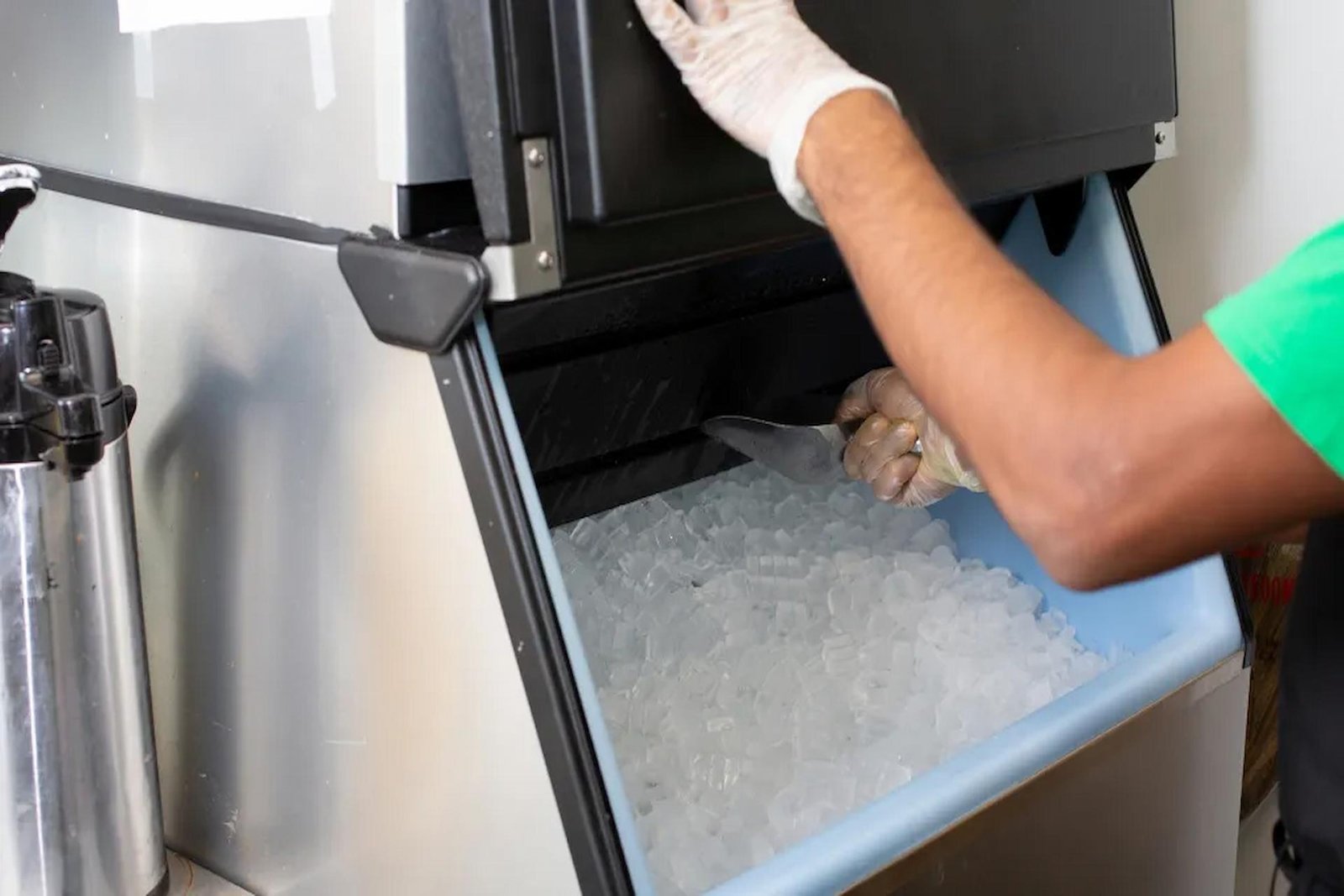
Running a business that depends on clean, reliable ice means there is very little room for equipment failure. Restaurants, cafés, hotels, bars, convenience stores, and healthcare facilities all rely on commercial ice machines to support daily operations. When these systems are neglected, businesses can face hygiene concerns, higher energy costs, product waste, and expensive downtime.
Regular maintenance is not simply about keeping the machine running. It protects food safety standards, improves efficiency, extends equipment lifespan, and helps businesses avoid emergency service disruptions. Many companies only think about maintenance after problems appear, but preventative care is often far more affordable and effective in the long term.
Businesses that invest in scheduled servicing and timely ice machine repair in Sussex County, DE can reduce operational interruptions while maintaining consistent performance during busy periods.
1. Prevents Unexpected Equipment Breakdowns
Commercial ice machines often operate continuously throughout the day. Without regular servicing, internal components wear out, gradually affecting performance. Small issues such as clogged water filters, dirty condenser coils, or failing motors can quickly escalate into major mechanical failures.
Unexpected breakdowns can be especially damaging for restaurants and hospitality businesses during peak hours. Running out of ice may disrupt food service, beverage preparation, and customer satisfaction.
Routine inspections help technicians identify problems early before they become costly emergencies. Preventative maintenance reduces the likelihood of sudden failures while ensuring the machine operates consistently under heavy demand.
2. Maintains Proper Hygiene and Food Safety
Ice is considered a food product, which means businesses must maintain strict cleanliness standards. Over time, commercial ice machines can develop mould, slime, bacteria, and mineral buildup if they are not cleaned properly.
Dirty ice machines can pose health risks to customers and may even lead to failed inspections or regulatory penalties. In hospitality and healthcare settings, hygiene concerns become even more critical.
Regular cleaning and sanitization help remove harmful contaminants and improve the taste, clarity, and quality of the ice produced. Professional servicing also ensures water lines, filters, and storage bins remain safe for ongoing use.
3. Improves Energy Efficiency
An unmaintained ice machine typically works harder to produce the same amount of ice. Dust accumulation, blocked airflow, and worn components force the system to consume more electricity, increasing monthly utility costs.
Energy efficiency matters for businesses trying to manage overhead expenses, particularly in industries with high refrigeration and cooling demands. Even small reductions in efficiency can lead to noticeable long-term costs.
Routine servicing keeps condenser coils clean, ensures unrestricted airflow, and helps the unit operate at optimal performance. A well-maintained system uses less energy while delivering consistent output.
4. Extends the Lifespan of the Equipment
Commercial ice machines represent a significant investment for many businesses. Replacing a system prematurely can create unexpected financial pressure, especially for smaller establishments.
Regular maintenance helps protect critical components such as compressors, pumps, motors, and valves from excessive strain. When machines operate efficiently and remain clean, their overall lifespan improves considerably.
Businesses that prioritize preventive servicing often avoid early replacement costs and derive greater value from their equipment over time. Investing in routine care is usually far less expensive than purchasing a completely new commercial ice machine.
5. Protects Ice Production During Peak Seasons
Seasonal demand can place additional stress on commercial cooling equipment. Summer months, holiday periods, and busy event seasons often require higher ice production than usual.
An unreliable machine during peak business periods can negatively affect customer service and revenue. Restaurants may struggle to serve drinks efficiently, while hotels and catering companies could experience operational delays.
Regular servicing before high-demand periods helps businesses prepare for increased usage. Professional inspections can detect hidden performance issues before they disrupt operations at the worst possible time.
Businesses that schedule preventative maintenance and timely ice machine repair in Sussex County, DE are often better prepared for seasonal demand spikes and heavy daily usage.
6. Reduces Long-Term Repair Costs
Ignoring small problems rarely saves money in commercial equipment maintenance. Minor issues can quickly develop into major repairs when left unresolved.
For example:
- A clogged filter may strain the pump
- Dirty coils can overwork the compressor
- Poor airflow may increase internal temperatures
- Mineral buildup can damage water circulation systems
Addressing these concerns early helps reduce the risk of expensive component failures. Preventative maintenance allows technicians to replace worn parts before they cause larger mechanical damage.
Over time, businesses often spend far less on scheduled maintenance than they would on emergency repairs and equipment replacement.
FAQs
Why is regular ice machine cleaning important?
Regular cleaning helps remove bacteria, mould, mineral deposits, and debris that can affect ice quality and food safety. Clean machines also operate more efficiently and reduce the risk of health code violations in commercial environments.
How often should a commercial ice machine be serviced?
Most commercial ice machines should receive professional servicing at least every six months. However, businesses with heavy usage or hard water conditions may require more frequent maintenance and cleaning schedules.
What are common signs an ice machine needs repair?
Slow ice production, unusual noises, cloudy ice, water leaks, foul odors, or inconsistent temperatures are common warning signs that an ice machine may require professional inspection or repair.
Can poor maintenance increase energy bills?
Yes. Dirty condenser coils, clogged filters, and worn components force the machine to work harder, increasing electricity usage and operational costs over time.
Conclusion
Regular ice machine maintenance plays a critical role in protecting business operations, food safety, equipment performance, and customer satisfaction. Preventative care helps reduce breakdowns, lower energy costs, improve hygiene, and extend equipment lifespan. For restaurants, cafés, hotels, healthcare facilities, and convenience stores, reliable ice production is essential to maintaining efficient daily service.
Businesses that prioritise routine inspections and professional servicing are often able to avoid costly disruptions while improving long-term operational reliability. Consistent maintenance is not simply an added expense — it is an important investment in performance, compliance, and customer experience.