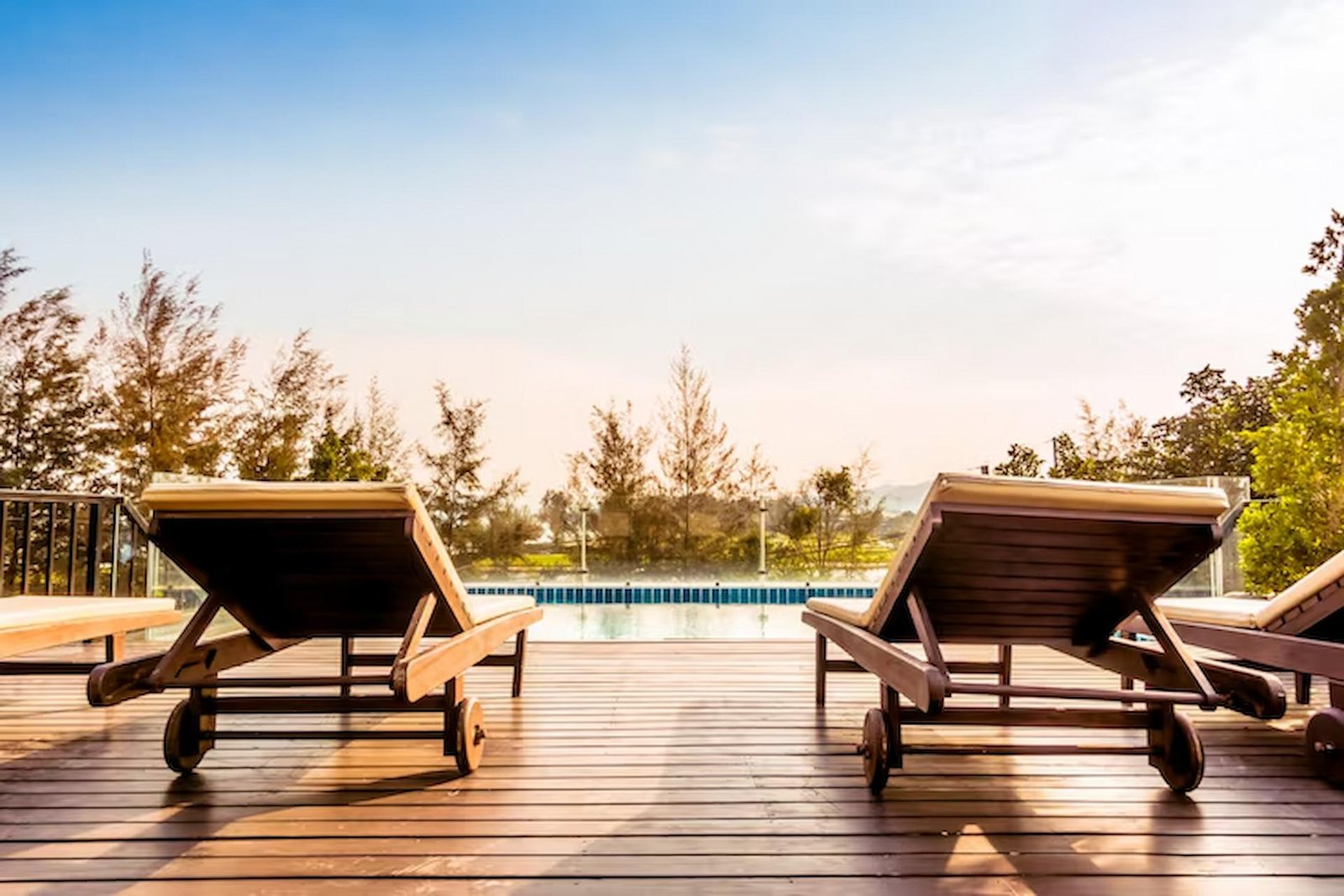
A well-built deck can completely change how you use your outdoor space. It creates a comfortable area for relaxing, entertaining guests, dining outdoors, or simply enjoying fresh air. It can also increase property value and improve the overall appearance of your home.
While a deck may seem like a straightforward project, successful deck construction involves much more than choosing boards and starting to build. Proper planning, the right materials, structural safety, local permits, and long-term maintenance all play important roles. Whether you are considering a simple platform deck or a larger multi-level outdoor living space, understanding the process helps you make better decisions from the start.
Start With a Clear Plan
Every successful deck begins with careful planning. Before choosing materials or requesting quotes, take time to define how the deck will be used.
Think about whether the space will mainly serve as a family gathering area, an outdoor dining space, a location for a hot tub, or a place for entertaining larger groups. The intended purpose influences the size, layout, and structural requirements.
Location is equally important. Consider how much sunlight the area receives throughout the day, prevailing winds, privacy from neighbours, and access points from your home. A deck should feel like a natural extension of your indoor living space rather than an afterthought.
The shape of the deck should complement the architecture of the property. Simple rectangular layouts are often more affordable, while custom shapes can create a more distinctive appearance.
Understanding Deck Materials
Choosing the right decking material affects appearance, maintenance requirements, durability, and long-term costs.
Pressure-treated timber remains one of the most popular options due to its affordability and availability. Modern treated lumber offers good durability when properly maintained and can last for many years.
Composite decking has become increasingly popular among homeowners seeking low-maintenance solutions. Made from a blend of recycled wood fibres and plastic, composite boards resist rot, insects, and fading better than many traditional materials.
Cedar decking offers natural beauty and resistance to decay. Its warm appearance appeals to homeowners who prefer a classic wood look. Regular sealing helps preserve its colour and extend its lifespan.
Tropical hardwoods such as ipe and mahogany provide exceptional durability and a premium appearance. These materials often last for decades but come with higher upfront costs and specialised installation requirements.
When comparing options, consider both initial expenses and future maintenance costs rather than focusing solely on purchase price.
Why Building Codes and Permits Matter
Many homeowners underestimate the importance of local building regulations. In most areas, deck construction requires permits and inspections, especially for elevated structures attached to a home.
Permit requirements help ensure the deck meets safety standards related to structural integrity, load capacity, railings, stairs, and foundations.
Skipping the permit process can create serious problems. Homeowners may face fines, be required to remove non-compliant structures, or encounter complications during future property sales.
Before construction begins, contact your local building department to determine applicable requirements. A professional contractor will typically handle permit applications and inspections on your behalf.
The Importance of a Strong Foundation
A deck is only as strong as its foundation. Proper footings and support systems prevent settling, shifting, and structural failures.
Footings transfer the weight of the deck into stable soil below the frost line. The required depth depends on local climate conditions and building regulations.
Support posts, beams, and joists work together to create the framework that carries the deck’s load. These components must be properly sized and spaced according to engineering guidelines.
For attached decks, ledger boards deserve special attention. The ledger connects the deck structure to the house and must be securely fastened to prevent collapse. Improper ledger installation is one of the most common causes of deck failures.
Investing in proper structural construction provides long-term safety and peace of mind.
Designing Railings and Stairs
Railings and stairs contribute to both safety and visual appeal. Modern homeowners have many design choices beyond traditional timber balustrades.
Metal railings offer a clean, contemporary appearance and require minimal maintenance. Glass panels provide unobstructed views while maintaining safety standards. Cable rail systems have also become increasingly popular for modern outdoor spaces.
Stair design should prioritise comfort and accessibility. Consistent step heights, adequate lighting, and sturdy handrails improve safety while enhancing the overall user experience.
When selecting railing systems, always verify compliance with local building codes regarding height and spacing requirements.
Hiring the Right Contractor
Some homeowners choose to build decks themselves, while others prefer professional installation. For larger or more complex projects, hiring an experienced contractor often provides better results.
Look for contractors with proven experience in deck construction, proper licensing, insurance coverage, and positive customer reviews.
Request detailed written estimates from multiple companies. Compare material specifications, labour costs, project timelines, and warranty coverage rather than simply selecting the lowest price.
Ask to see examples of completed projects and speak with previous clients whenever possible. A reputable contractor should have no hesitation providing references.
Clear communication from the beginning helps prevent misunderstandings throughout the project.
Typical Deck Building Costs
Deck construction costs vary significantly depending on size, materials, design complexity, and location.
A simple pressure-treated timber deck generally costs less than a comparable composite or hardwood deck. Features such as built-in seating, lighting systems, pergolas, outdoor kitchens, and multi-level designs increase overall project expenses.
Although premium materials require larger initial investments, they often reduce maintenance costs over time.
Rather than focusing exclusively on budget, consider long-term value, durability, and the enjoyment the deck will provide for years to come.
Maintaining Your Deck for Long-Term Performance
Regular maintenance protects your investment and extends the lifespan of your deck.
Timber decks typically require periodic cleaning, sealing, staining, or painting. Promptly replacing damaged boards and tightening loose fasteners helps prevent larger issues from developing.
Composite decking requires less maintenance but still benefits from routine cleaning to remove dirt, debris, and mildew.
Annual inspections are valuable regardless of material choice. Check structural connections, railings, stairs, and support components for signs of wear or damage.
Consistent care helps preserve both appearance and safety.
Frequently Asked Questions
Do I need a permit to build a deck?
Most deck projects require permits, particularly if the structure is attached to a house or elevated above ground level. Always check local regulations before construction begins.
What is the most durable decking material?
Tropical hardwoods and high-quality composite decking are among the most durable options, often lasting several decades with proper care.
How long does it take to build a deck?
Most residential deck projects take between one and three weeks, depending on size, design complexity, weather conditions, and permit approvals.
Is composite decking worth the extra cost?
Composite decking often justifies its higher price through reduced maintenance, excellent durability, and long-term savings on staining and repairs.
How often should a timber deck be sealed?
Most timber decks benefit from sealing every one to three years, depending on weather exposure, material type, and manufacturer recommendations.
Final Thoughts
Building a deck is one of the most rewarding outdoor improvement projects a homeowner can undertake. A well-designed deck creates valuable living space, enhances property appeal, and provides a comfortable area for relaxing and entertaining throughout the year.
Success begins with thoughtful planning, quality materials, proper permits, and sound construction practices. Whether you choose pressure-treated timber, composite decking, cedar, or premium hardwood, focusing on durability and safety will pay dividends for years to come. By understanding the complete deck building process before construction starts, you can create an outdoor space that looks beautiful, functions well, and delivers lasting value for your home and family.