Modern devices are becoming smaller, smarter, and more integrated into everyday life. From industrial equipment to consumer electronics, every device relies not only on its internal components but also on the protection and structure that surrounds them. This is where electronic enclosures play a critical role. While standard options may work in some cases, many applications demand a more tailored approach.
Customisation in enclosure design is no longer a luxury. It has become a practical necessity for ensuring performance, durability, and long-term reliability.
The Role of Enclosures in Device Performance
An electronic enclosure does more than simply house components. It serves as the first line of defense against environmental factors such as dust, moisture, heat, and physical impact. At the same time, it helps maintain internal stability by organising components and supporting efficient airflow. This is where custom electronic enclosures become especially valuable in meeting specific performance demands.
In modern design, performance expectations are high. Devices are expected to operate in varied conditions without failure. A poorly designed enclosure can lead to overheating, signal interference, or even structural damage. These issues often result in reduced efficiency or costly repairs.
By contrast, a well-designed enclosure supports optimal performance by addressing the specific needs of the device it protects.
Why Standard Solutions Often Fall Short
Off-the-shelf enclosures are built for general use. While they may offer convenience, they rarely account for the unique requirements of specialised devices. Differences in size, shape, internal layout, and environmental exposure mean that a one-size-fits-all solution can create limitations.
For example, a device used outdoors may require enhanced weather resistance, while an industrial system may need extra durability and vibration control. Standard enclosures often require modifications, which can compromise their structural integrity or lead to inefficiencies.
This is why many designers are now turning towards custom electronic enclosures to achieve better alignment with their project requirements.
Improved Protection and Durability
One of the main advantages of custom enclosures is the ability to design for specific environmental conditions. Whether a device is exposed to extreme temperatures, humidity, or mechanical stress, custom electronic enclosures are built to withstand those challenges.
Materials can be selected based on performance needs. For instance, metals may be used for strength and heat resistance, while certain plastics offer lightweight protection and insulation. Sealing methods can also be customised to prevent water or dust ingress.
This level of control ensures that devices remain protected over time, reducing the risk of failure and extending their lifespan.
Enhanced Thermal Management
Heat is one of the most common issues in electronic devices. Without proper thermal management, components can overheat, leading to reduced efficiency or permanent damage.
Custom enclosures allow designers to plan airflow and cooling solutions more effectively. Vent placement, heat sinks, and material choices can all be optimised to manage temperature.
Rather than adapting the device to fit the enclosure, the enclosure is designed to support the device. This results in better heat dissipation and more stable performance, particularly in high-demand applications.
Better Fit and Space Efficiency
As devices become more compact, efficient use of space becomes essential. Custom enclosures allow for precise dimensions that match the internal layout of components.
This eliminates unnecessary gaps and ensures that every part is securely positioned. It also makes assembly easier and reduces the risk of movement or vibration within the enclosure.
In addition, a well-fitted enclosure can improve portability and overall design aesthetics. For consumer-facing products, this can make a noticeable difference in user experience.
Integration with Modern Technologies
Modern devices often include advanced features such as wireless communication, sensors, and touch interfaces. These elements require careful consideration during enclosure design.
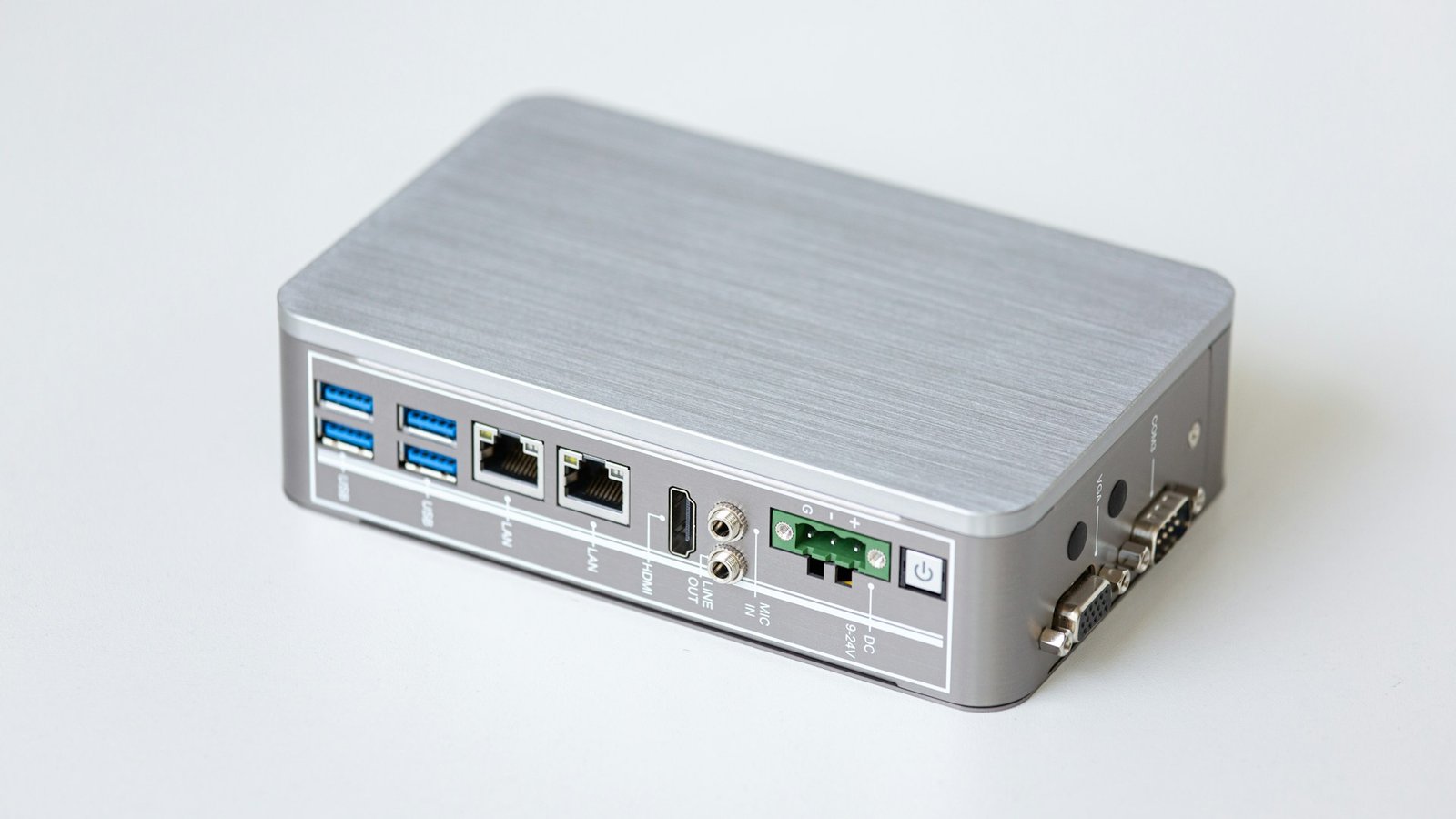
Custom solutions make it easier to integrate antennas, ports, and displays without compromising performance. For example, certain materials can be chosen to minimise signal interference, while precise cut-outs ensure accessibility for connectors and controls.
This level of integration is difficult to achieve with generic enclosures, which may not support the specific technical requirements of modern systems.
Supporting Innovation in Product Design
Innovation often involves pushing boundaries. Whether developing a new product or improving an existing one, designers need flexibility to experiment and refine their ideas.
Custom enclosures support this process by allowing adjustments at every stage. Prototyping becomes more efficient, and changes can be implemented without starting from scratch.
This flexibility encourages creativity and enables faster development cycles. As a result, businesses can bring new products to market more quickly while maintaining quality and reliability.
Cost Efficiency Over Time
At first glance, custom enclosures may appear more expensive than standard options. However, when viewed over the long term, they often prove more cost-effective.
By reducing the need for modifications, minimising the risk of damage, and improving performance, custom solutions help avoid additional expenses. They also contribute to fewer maintenance issues and longer product lifespans.
In many cases, the initial investment is offset by the savings achieved through improved efficiency and reduced downtime.
Meeting Industry Standards and Compliance
Many industries have strict regulations regarding safety, durability, and performance. Standard enclosures may not always meet these requirements without additional adjustments.
Custom designs can be developed with compliance in mind from the outset. This ensures that devices meet necessary standards without compromise.
Whether it is for medical equipment, industrial machinery, or consumer electronics, meeting these standards is essential for both safety and market acceptance.
Conclusion
In modern device design, the enclosure is not an afterthought. It is a key component that directly influences performance, reliability, and usability.
Standard solutions may offer convenience, but they often fall short when faced with complex or specialised requirements. Custom enclosures provide the flexibility and precision needed to meet the demands of today’s technology.
By focusing on protection, efficiency, and integration, they support better outcomes at every stage of the design process. As devices continue to evolve, the importance of tailored enclosure solutions will only continue to grow.