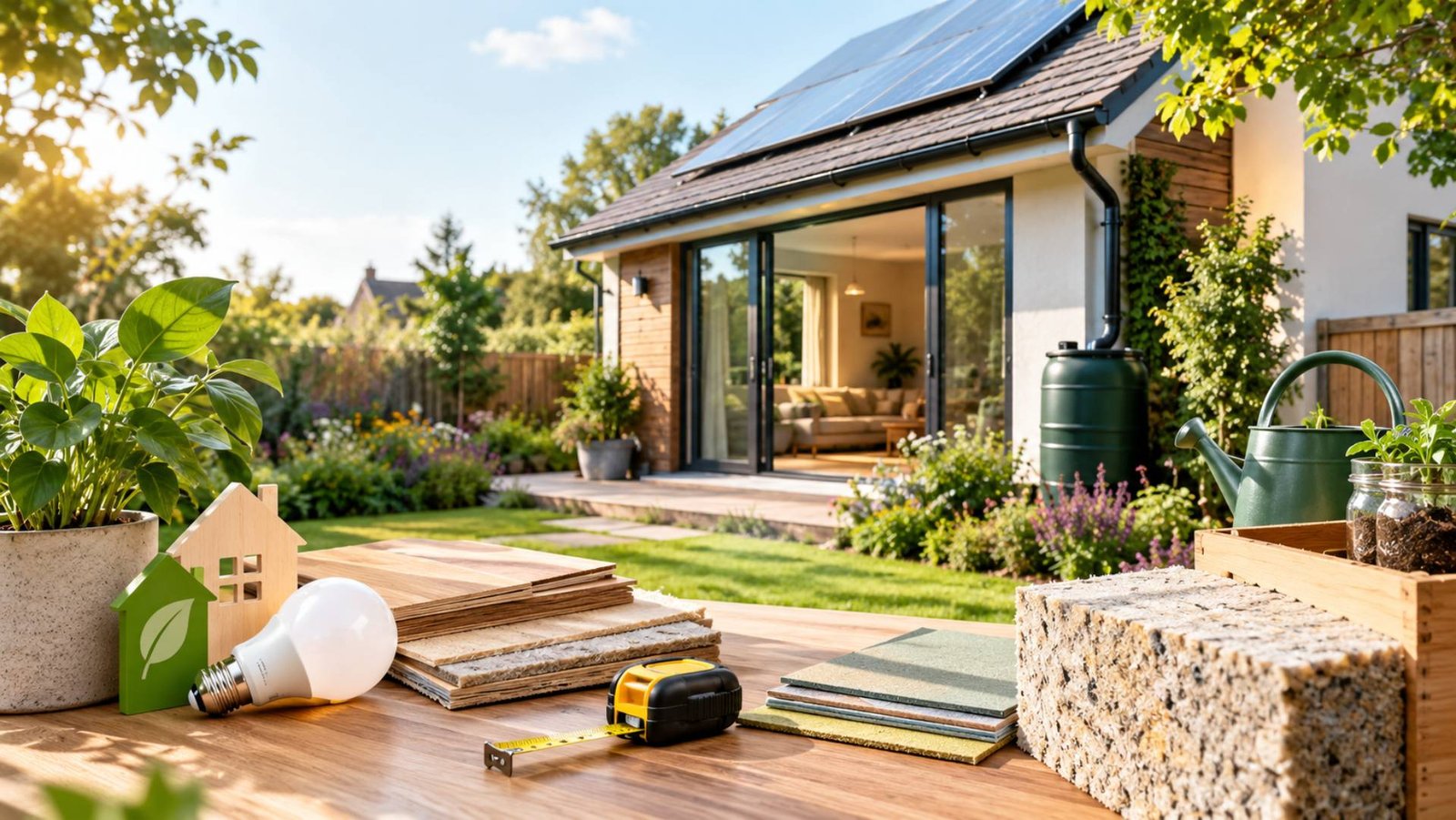
Creating a more sustainable home does not always mean taking on a major renovation. In many cases, simple improvements can reduce energy use, minimise waste and make your home more comfortable at the same time.
Whether you are planning a full renovation or making smaller changes, choosing environmentally friendly solutions can benefit both your household and the planet. The key is to focus on improvements that are practical, durable and suited to the way you use your home.
Improve Your Home’s Insulation
Good insulation is one of the most practical ways to improve energy efficiency. A well-insulated home can retain heat more effectively during colder months and stay cooler when temperatures rise.
Loft, wall and floor insulation can all help reduce unnecessary heat loss. Before adding new insulation, check the condition of what is already there and identify areas where heat may be escaping.
Improving insulation can also make rooms feel more comfortable by reducing cold spots and draughts. It is worth considering alongside other energy-saving improvements rather than treating it as a separate project.
Choose Energy-Efficient Windows and Doors
Older windows and doors can allow heat to escape, particularly when seals or frames have deteriorated. Replacing them with modern energy-efficient alternatives can improve insulation and reduce unwanted draughts.
However, replacement is not always the first option. Draught-proofing existing windows and doors may provide a simpler solution when they are still in good condition.
When replacing windows, consider the quality of the glazing, frame materials and overall durability. A product that performs well and lasts for many years can be a more sustainable choice than one that needs replacing sooner.
Switch to LED Lighting
Lighting is another area where a small change can make a useful difference. LED bulbs generally use less electricity than traditional incandescent bulbs and are available in a wide range of brightness levels and styles.
You do not necessarily need to replace every bulb at once. Start with lights that are used frequently and gradually update the rest as existing bulbs need replacing.
Using natural daylight more effectively can also reduce the need for artificial lighting. Keep windows clear and consider lighter colours for rooms where appropriate.
Consider Renewable Energy
If you are planning a larger home improvement project, renewable energy may be worth considering. Solar panels can generate electricity from sunlight and may help reduce reliance on electricity from the grid.
The suitability of solar panels depends on factors such as roof orientation, available space, shading and local conditions. They are therefore best considered as part of a wider assessment of your property rather than as a universal solution.
If installing renewable technology, think about the long-term needs of your household and choose a system that is properly designed for the property.
Reduce Water Consumption
Sustainable living is not only about energy. Reducing water waste can also make your home more efficient.
Low-flow showerheads and taps can help reduce water use during everyday activities. Fixing dripping taps and leaking pipes is equally important, as wasted water can add up over time.
You can also make changes outside the home. Collecting rainwater for suitable gardening tasks can reduce the amount of treated mains water used for plants.
Choose Sustainable Building Materials
The materials you choose during a renovation can have a significant impact on the overall sustainability of the project.
Look for materials that are durable, responsibly sourced or made using recycled content where appropriate. Reclaimed timber, recycled materials and sustainably sourced wood can all be considered depending on the project.
Durability should be a priority. A product that lasts for many years may create less waste than a cheaper alternative that needs frequent replacement.
It is also useful to consider whether materials can be repaired, reused or recycled at the end of their useful life.
Give Old Furniture a New Purpose
You do not always need to buy something new to improve your home. Reusing existing furniture can be one of the simplest ways to reduce waste.
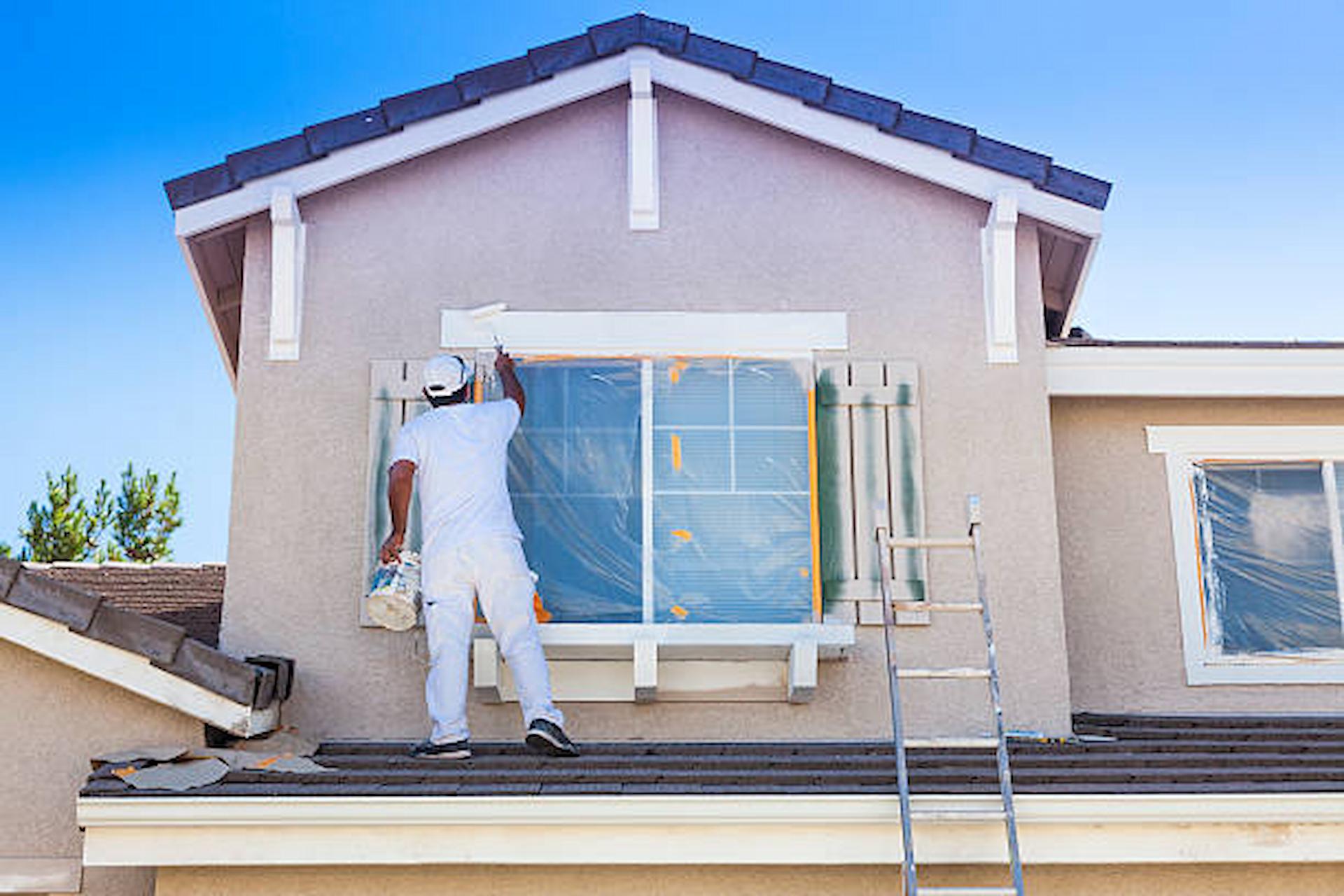
An old table might need only sanding and repainting. A tired cabinet could be updated with new handles or a fresh finish. Even small changes can give familiar pieces a completely different appearance.
Before throwing something away, ask whether it can be repaired, reused or donated. This approach can reduce waste while also saving money.
Make Your Garden More Eco-Friendly
Your garden can play an important role in a sustainable home. Choosing plants that suit your local conditions can reduce the need for excessive watering and maintenance.
Native plants can also provide useful habitats and food sources for local wildlife. Instead of covering every outdoor area with hard surfaces, consider using planting areas and suitable permeable surfaces where practical.
Composting is another simple option. Garden waste and suitable food scraps can be turned into useful compost instead of being discarded.
Reduce Construction Waste
Home improvement projects can generate a surprising amount of waste. Careful planning can help reduce how much ends up being thrown away.
Measure materials accurately before ordering them and avoid buying significantly more than the project requires. Where possible, reuse suitable materials rather than automatically replacing everything.
Old fixtures, fittings and furniture that are still usable may also be donated or recycled. Separating different types of waste can make responsible disposal easier.
Choose Quality Over Trends
Sustainable home improvement is not about constantly changing the appearance of your property. Choosing timeless designs and durable products can reduce the temptation to renovate again simply because a trend has changed.
Before making a purchase, consider how long you expect to use it, how easy it will be to maintain and whether it can be repaired.
A thoughtful renovation should improve your home for years rather than create a short-term change that quickly needs updating.
Make Small Changes Over Time
You do not need to complete every improvement at once. In fact, making changes gradually can make it easier to manage costs and choose the right solutions.
You could begin with LED lighting, draught-proofing and water-saving fixtures before moving on to larger projects such as insulation, new windows or renewable energy.
The most effective approach is to look at your home as a whole and prioritise improvements that address genuine problems.
Conclusion
Eco-friendly home improvement is about making practical choices that reduce waste, conserve resources and improve everyday comfort. From better insulation and efficient lighting to sustainable materials and greener gardens, there are plenty of ways to make a property more environmentally responsible.
You do not have to transform your entire home overnight. Start with improvements that make sense for your property, choose durable solutions and build on them over time. Small changes, when planned carefully, can create a more efficient and sustainable home for years to come.