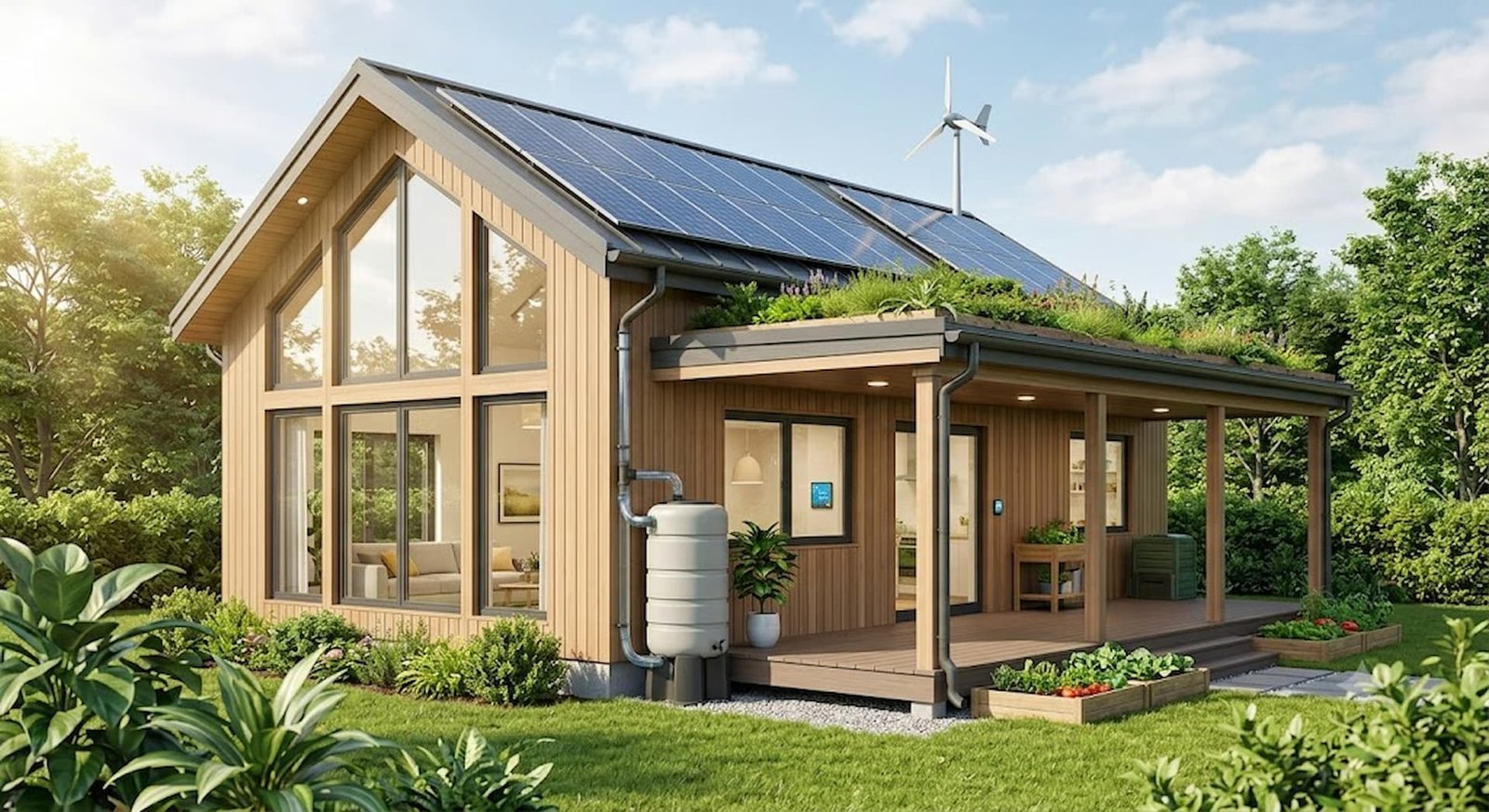
Making your home more eco-friendly doesn’t mean tearing everything out and starting over. It means paying attention to the systems that quietly drain energy, waste water, and pile up waste — then fixing them in an order that actually makes sense.
Whether you’re planning a full renovation or just chipping away at small upgrades over time, sustainable home improvement pays off twice: it’s better for the planet, and it’s better for your wallet. The trick is picking changes that fit your home, your climate, your budget, and how you actually live.
1. Improve Your Home’s Insulation
Insulation is the quiet workhorse of an efficient home. Good insulation keeps warm air in during winter and out during summer, so your heating and cooling systems don’t have to work overtime.
Focus your attention on:
- Attics and roofs
- Exterior walls
- Floors above unheated spaces like garages or crawl spaces
- Gaps around doors and windows
Before you buy a single roll of insulation, hunt down air leaks first. Sealing gaps around windows, doors, and pipe penetrations makes the insulation you already have — or are about to install — far more effective.
Tip: If you own an older home, a professional energy assessment is worth the money. It shows you exactly where heat is escaping, so you’re not guessing where to spend your renovation budget.
2. Choose Energy-Efficient Windows and Doors
Old, poorly sealed windows are basically open invitations for conditioned air to leave and outdoor temperatures to move in. Upgrading to energy-efficient windows makes a noticeable difference in comfort — and in your energy bills.
Look for:
- Double or triple glazing
- Low-emissivity (low-E) coatings
- Well-insulated frames
- Tight, quality weather seals
Full window replacement isn’t cheap, so if it’s not in the budget right now, start smaller. Repair damaged seals and add insulating window coverings. These smaller fixes still cut down on drafts and unwanted heat gain while you save for the bigger upgrade.
3. Switch to LED Lighting
This is one of the easiest wins in the entire list. LED bulbs use a fraction of the electricity that incandescent bulbs do, and they last years longer, which means less waste and fewer trips to the store.
To build a genuinely sustainable lighting setup:
- Swap out your most-used bulbs first — that’s where you’ll see the biggest impact.
- Lean on natural daylight whenever you can.
- Add motion or occupancy sensors in spaces like hallways, closets, and bathrooms.
- Choose warm lighting for living areas and focused task lighting for workspaces.
Smart lighting systems can also stop you from paying to light an empty room.
4. Install Energy-Efficient Appliances
When an appliance dies, resist the urge to grab the cheapest replacement on the shelf. Efficiency matters more than sticker price over the life of the machine.
Pay special attention to your biggest energy and water users:
- Refrigerators
- Washing machines
- Dishwashers
- Water heaters
- Air conditioners
Compare energy labels, not just price tags. A model that costs a bit more upfront often pays for itself through lower utility bills over the years it’s in use.
5. Consider Solar Energy
Solar power can meaningfully cut your reliance on fossil-fuel-generated electricity, especially if you live somewhere with plenty of sunshine.
Depending on your property and budget, your options might include:
- Rooftop solar panels
- Solar water heating
- Solar-powered outdoor lighting
Before you commit to a system, get your roof’s condition checked, assess how much usable sunlight your property gets, and take a hard look at your actual electricity consumption.
Here’s the honest truth: solar works best as the final step in an efficiency strategy, not the first. Cut your unnecessary energy use first, and you’ll need a smaller — and cheaper — system to cover what’s left.
6. Upgrade to Water-Efficient Fixtures
Sustainability isn’t only about electricity. Water conservation matters just as much, and it’s often overlooked.
Consider upgrading to:
- Low-flow showerheads
- Efficient faucets
- Dual-flush toilets
- Water-saving appliances
- Leak-resistant plumbing fixtures
A small, slow leak can waste an astonishing amount of water over the course of a year. Make it a habit to check faucets, toilets, pipes, and outdoor hose connections regularly.
For your garden, swap sprinkler systems for drip irrigation or other targeted watering methods. There’s no reason to spray water over ground that doesn’t need it.
7. Use Sustainable Building Materials
What you build with matters almost as much as what you build. Whenever you’re renovating, look for durable materials with recycled, renewable, reclaimed, or responsibly sourced content.
Strong options include:
- Reclaimed wood
- Bamboo
- Recycled metal
- Recycled glass
- Natural stone
- Recycled-content flooring
Don’t overlook durability. A material that lasts for decades can end up being more sustainable than a “green” product that needs replacing every few years. It also helps to think about where materials are sourced and how much transportation and packaging went into getting them to you.
8. Choose Low-VOC Paints and Finishes
Paint affects the air you breathe, especially in the days and weeks after it’s applied. Low- or zero-VOC paints cut down on the volatile organic compounds that get released into your indoor air.
When you’re picking finishes, look for products designed to minimize emissions without sacrificing durability or finish quality. This matters most in bedrooms, kids’ rooms, and any space where people spend a lot of time.
9. Repair and Reuse Before Replacing
This might be the single most sustainable habit you can build, and it costs nothing to start. Before you toss cabinets, doors, furniture, flooring, or fixtures, ask whether they can be:
- Repaired
- Refinished
- Repainted
- Repurposed
- Donated
- Reused elsewhere in the home
Solid-wood cabinets, for example, often just need new hardware, fresh paint, or a light refinish rather than a full replacement. This one shift in mindset can cut construction waste dramatically — and save you real money.
10. Improve Your Roof for Better Energy Performance
Your roof does more than keep the rain out. It plays a major role in regulating indoor temperature, especially in hot climates where it can be a major source of heat gain.
Depending on your home, consider:
- Improving roof insulation
- Repairing damaged sections
- Using reflective roofing materials
- Adding proper roof ventilation
- Installing solar panels where the roof supports it
Always start with an inspection. Fix moisture and structural problems before you spend money on anything cosmetic — a beautiful reflective roof over a leak is a problem waiting to resurface.
11. Create a Sustainable Garden
Your yard is part of your home’s sustainability story too, not just an afterthought.
Choose plants suited to your local climate — native and climate-appropriate species typically need less water and less maintenance because they’re already adapted to your conditions.
Other simple steps:
- Add compost to improve soil health
- Collect rainwater where local regulations allow
- Use mulch to reduce evaporation
- Plant trees strategically to create shade
- Cut back on excessive lawn area
- Favor organic matter over synthetic fertilizers
A thoughtfully planned garden supports local biodiversity while asking less of you in water and upkeep.
12. Improve Indoor Air Quality Naturally
A truly sustainable home is also a healthy one to live in. Good ventilation clears out moisture, odors, and indoor pollutants before they build up.
Practical steps include:
- Maintaining ventilation systems on a regular schedule
- Running exhaust fans in kitchens and bathrooms
- Keeping indoor moisture under control
- Choosing low-emission paints and materials
- Skipping chemical-based air fresheners
- Replacing or cleaning HVAC filters as recommended
Houseplants are a nice touch and can brighten up a room, but they’re not a substitute for real ventilation — think of them as a complement, not a fix.
13. Install Smart Home Energy Controls
Smart thermostats, timers, sensors, and energy monitors make it much easier to see — and control — how your home uses energy.
A smart thermostat, for instance, avoids heating or cooling an empty house. Energy monitors show you exactly which appliances are the biggest drains, so you’re not guessing.
The technology itself isn’t the point. It’s a tool. The real benefit only shows up when you actually use the insight to cut unnecessary consumption.
14. Reduce Construction Waste
Renovations generate a surprising amount of waste, and most of it is avoidable with a little planning before demolition starts.
Try to:
- Measure carefully before ordering materials
- Reuse existing components wherever it makes sense
- Donate fixtures and furniture that are still usable
- Separate recyclable materials on-site
- Buy only what the project actually needs
- Work with contractors who take waste management seriously
Careful planning reduces environmental impact and often trims your renovation budget at the same time.
15. Make Your Kitchen More Sustainable
The kitchen sees more daily use than almost any other room, which means small improvements here add up fast.
Worth considering:
- Energy-efficient appliances
- LED task lighting
- Water-saving faucets
- Durable countertops
- Reclaimed or responsibly sourced cabinetry
- Efficient range hood ventilation
- Composting or food-waste management
If your existing cabinets are structurally solid, refinishing them instead of ripping them out is one of the most effective ways to cut renovation waste in the whole house.
16. Choose Durable Flooring
Flooring shapes both the look of a room and the lifespan of your renovation. Aim for materials that are durable, repairable, and suited to how the room is actually used.
Sustainable flooring options include:
- Bamboo
- Cork
- Reclaimed wood
- Recycled-content materials
- Responsibly sourced hardwood
Think past first impressions. A floor that lasts decades and can be repaired instead of torn out usually has a much lower environmental footprint over its lifetime than something cheaper that needs replacing every few years.
17. Upgrade Your Water Heater
Water heating eats up a significant chunk of household energy use. If yours is old, replacing it with a more efficient model can lower your energy bills noticeably.
Depending on your location and setup, consider a high-efficiency heat pump water heater or a solar water-heating system. It also helps to insulate hot-water pipes and avoid setting the thermostat higher than you actually need.
18. Use Natural Shade to Reduce Cooling Needs
Trees and smart landscaping can protect your home from intense sun without using a drop of electricity.
Deciduous trees are particularly useful — they shade your home in summer and drop their leaves in winter, letting sunlight through when you actually want the warmth. Exterior shades, awnings, and well-designed overhangs work the same way, blocking direct solar heat before it ever reaches your windows.
This kind of passive cooling doesn’t replace air conditioning, but it takes real pressure off it.
19. Prioritize Improvements by Impact
You don’t have to tackle every item on this list at once — and honestly, you shouldn’t. Start with whatever gives your specific home the biggest benefit.
A practical order to follow:
Step 1: Find the waste. Look for drafts, leaks, inefficient appliances, poor insulation, and unnecessary consumption.
Step 2: Fix problems first. Repair leaks, seal air gaps, and address moisture or structural issues before anything else.
Step 3: Upgrade high-use systems. Move on to lighting, appliances, HVAC equipment, and water heating.
Step 4: Choose sustainable materials. Use durable, low-emission, recycled, reclaimed, or responsibly sourced products for any renovation work.
Step 5: Add renewable energy. Once your energy demand is under control, look at solar or other renewable options.
Following this order keeps you from spending heavily on expensive technology while basic efficiency problems are still quietly costing you money.
Common Mistakes to Avoid
Sustainable renovations can get expensive fast when homeowners chase products instead of actual performance. Watch out for these traps:
- Replacing functional items just because a newer version looks nicer
- Choosing a “green” product without checking how durable it really is
- Ignoring insulation and air sealing in favor of flashier upgrades
- Installing solar before addressing excessive energy consumption
- Buying more materials than the project needs
- Overlooking water efficiency entirely
- Choosing materials based on looks alone
- Skipping maintenance on new equipment
A sustainable home isn’t built through one big purchase. It’s the sum of a lot of small, thoughtful decisions made across the whole property.
How to Make Your Home More Sustainable on a Budget
You don’t need a major renovation budget to make real progress. Start with the affordable stuff:
- Switch to LED bulbs
- Fix water leaks
- Install faucet aerators
- Seal drafts around doors and windows
- Use programmable timers
- Wash clothes in full, efficient loads
- Improve window coverings
- Add weather stripping
- Choose efficient appliances when replacements become necessary
- Reuse or refinish existing furniture and cabinetry
As your budget grows, move toward the bigger investments — insulation, efficient HVAC equipment, solar energy, or high-performance windows.
FAQ
What’s the most cost-effective eco-friendly home improvement? Sealing air leaks and switching to LED lighting. Both are inexpensive, quick to do yourself, and start saving you money almost immediately.
Should I install solar panels first or focus on efficiency first? Focus on efficiency first. Reducing your energy use before installing solar means you’ll need a smaller, cheaper system to cover your remaining needs.
Are eco-friendly home upgrades actually worth the cost? Most are. Insulation, efficient appliances, and water-saving fixtures typically pay for themselves over time through lower utility bills, on top of the environmental benefit.
How can I make my home more sustainable if I’m renting? Focus on changes you can take with you or that don’t require permanent alterations: LED bulbs, water-saving showerheads, draft stoppers, houseplants, and smart plugs or thermostats where your landlord allows it.
Is it better to replace old appliances or keep using them until they break? It depends on the appliance’s age and efficiency. If it’s more than 10–15 years old and a significant energy or water user, replacing it early often saves more resources than running it to failure. If it’s newer and still efficient, keep using it.
What sustainable material should I prioritize in a renovation? Durability. A long-lasting material — even one that isn’t labeled “eco-friendly” — often has a smaller environmental footprint than something that needs frequent replacement.
Conclusion
Eco-friendly home improvement isn’t about one expensive purchase or a single dramatic renovation. It’s about making your home work smarter with fewer resources, one deliberate decision at a time. Better insulation, energy-efficient appliances, water-saving fixtures, sustainable materials, solar power, and thoughtful landscaping all play a part — but none of them matter as much as the order you tackle them in.
Start by finding where your home is actually wasting energy, water, and money. Fix those problems first. Then upgrade the systems you use most, choose durable and responsible materials as you go, and add renewable energy once your demand is under control. Take it in stages, avoid the common mistakes, and you’ll end up with a home that’s genuinely more sustainable — and a lot easier to live in and maintain for years to come.